How to Choose the Right Polaris Dune Buggy in Dubai
Understanding What a Polaris Dune Buggy Offers
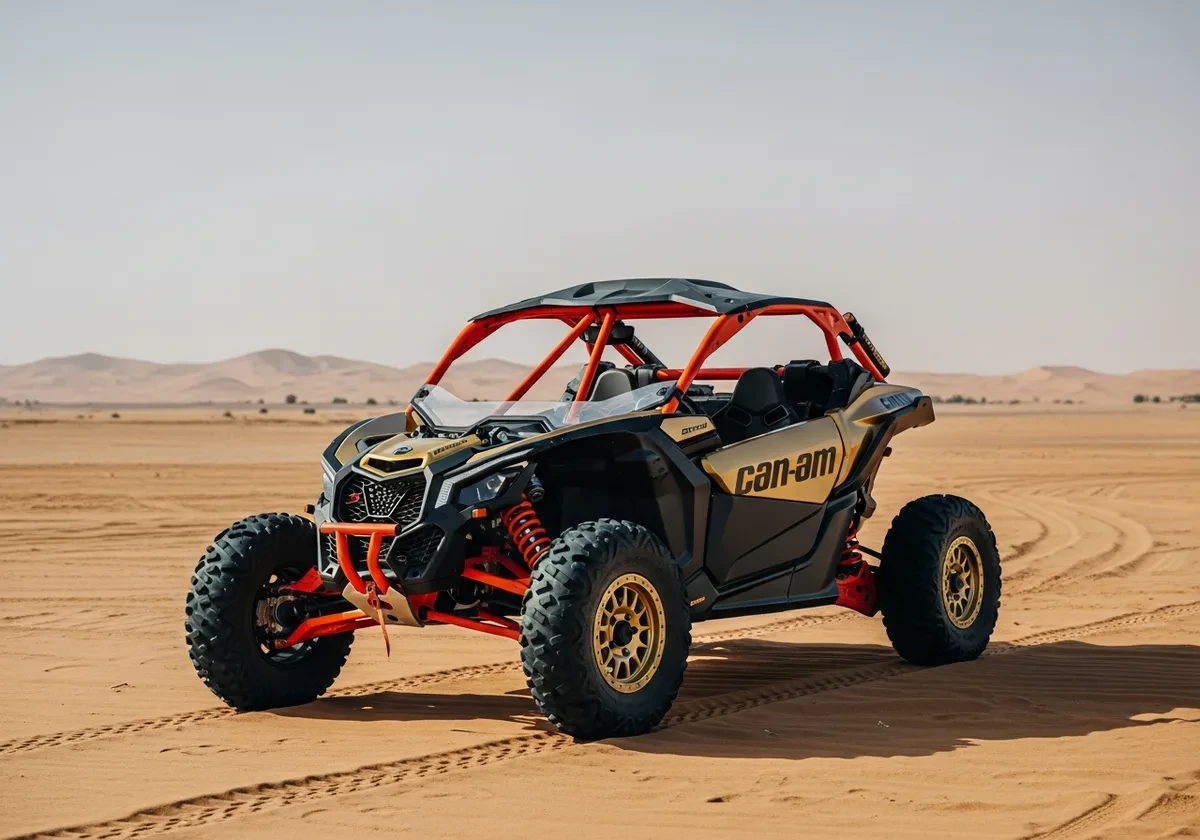
Dubai’s desert landscape is a natural playground for off-road vehicles, and few machines handle the terrain as well as a Polaris dune buggy. Built for stability and power, these all-terrain vehicles combine four-wheel drive with a robust roll cage and harness seatbelt system. Before you book or rent one, it helps to know what features matter most for the kind of ride you want. The right choice depends on your experience level, the type of desert trail you plan to tackle, and how many people will share the drive.
Step 1: Decide Between Single-Seat and Multi-Seat Models
The first decision is about capacity. Polaris buggies come in configurations that seat one person or up to four. A single-seat buggy is lighter and more agile on tight dunes, making it ideal for solo riders who want full control over every turn. Multi-seat buggies are better for couples or small groups who want to share the experience. Keep in mind that a larger buggy handles differently: it is heavier, takes wider lines around obstacles, and may feel less responsive on steep slopes. If you plan to drive with a passenger, test how the extra weight affects braking and acceleration on soft sand. Many rental companies let you switch sizes if you arrive and feel uncomfortable, but confirming this beforehand saves time.
Step 2: Check the Engine Power and Drive System
Polaris buggies typically use either a petrol engine or a more powerful turbocharged variant. For casual cruising on flat desert trails, a standard engine provides enough torque to climb moderate dunes. For serious off-road performance on tall, loose sand, a higher-horsepower model with a wider throttle range is worth the extra cost. The drive system also matters: a two-wheel drive buggy works fine on packed sand but struggles in deep, soft patches. Always choose a four-wheel drive model if you plan to explore remote areas where the sand gets loose. The gas pedal response should feel immediate but not jerky. If you are new to driving in dunes, a buggy with selectable drive modes lets you switch between two-wheel and four-wheel drive on the fly, which is a useful safety net.

Step 3: Inspect the Roll Cage and Harness Seatbelt
Safety gear is not optional in the desert. A proper roll cage protects you if the buggy tips on a steep slope. Look for a cage made from welded steel tubing with cross braces that keep the structure rigid even under impact. The harness seatbelt should be a five-point or four-point system, not a standard lap belt. Before you set off, adjust the straps so they hold you snugly against the seat without restricting arm movement. Check that the buckle releases quickly in case you need to exit after a roll. Some rental buggies have worn straps or loose mounting points. A quick visual check and a firm tug on each strap will tell you if the gear is trustworthy. If anything feels slack, ask for a different buggy.
Step 4: Evaluate the Steering and Braking
Steering a dune buggy in sand is different from steering on asphalt. The steering wheel should turn smoothly without catching or sticking. On loose surfaces, the front wheels may slide slightly before gripping, which is normal. What you want to avoid is excessive play in the wheel or a wheel that feels disconnected from the axle. Brakes are equally important. Most Polaris buggies use hydraulic disc brakes. Test them on a short straight stretch before hitting the dunes. The pedal should feel firm, not spongy, and the buggy should stop in a straight line. If the brakes pull to one side, the system needs adjustment. Never accept a buggy with brakes that feel weak or uneven. A good rental operator will fix this before you drive. If they do not, find another provider.
Step 5: Consider the Terrain and Your Experience
Dubai’s dunes range from gentle rolling hills to steep, razor-backed ridges. A beginner should stick to lower, wider dunes where the sand is more compact. Experienced drivers can handle taller dunes that require careful throttle control to avoid getting stuck or flipping. The steering wheel and gas pedal become your main tools for navigating these surfaces. On a steep climb, maintaining momentum without spinning the wheels is the key. If the buggy starts to lose traction, ease off the gas rather than flooring it, which will only dig the wheels deeper. A buggy with a lower centre of gravity is more forgiving on side slopes. Polaris models generally have a wide stance that helps stability, but each model’s wheelbase differs. Ask the rental company which buggy suits the specific trail you plan to ride. A good dune buggy adventure dubai operator will have a range of machines and will guide you to the right one based on your answers to a few simple questions. That kind of advice is worth more than any brochure.
Al Badayer Desert Dubai - Dune Buggy & Quad Biking Dubai is also on Pinterest.
Step 6: Read the Rental Agreement and Insurance
Before you hand over your payment, read the terms. Some rentals include damage waivers that cover minor scratches and dents, while others hold you responsible for every mark. Sand can hide rocks and small dips that cause cosmetic damage. Know what you are liable for. Also check whether the price includes fuel, a safety briefing, and a guide if you are unfamiliar with the area. Many companies offer a lead-follow format where a guide rides ahead and sets a pace that matches the group. This is especially useful for first-time drivers. If you book a self-guided trip, make sure you have a map or GPS device. Dubai’s desert has few landmarks, and it is easy to become disoriented. A reputable rental operator will provide a briefing on the basic controls, the emergency shut-off, and how to free a stuck buggy. If they skip this step, ask for it.

Step 7: Think About Comfort and Convenience
A full day in the desert means sun, heat, and dust. Choose a buggy with a roof or canopy if you plan to ride during midday hours. The shade makes a big difference to your comfort and reduces glare on the steering wheel. Some buggies also come with a small storage compartment for water, sunscreen, and a phone. Check that the seat padding is still firm; worn seats let you slide around on rough sections, which makes controlling the gas pedal harder. If you wear prescription glasses, bring a strap to keep them secure. Dust and sand can get into any open space, so goggles or a visor are a good idea even if the rental does not include them. A buggy with a simple dashboard layout is easier to operate when you are bouncing over dunes. Too many switches and dials are a distraction. The best models have a clear speedometer, a fuel gauge, and a start button. Everything else should be intuitive.
One Local Option
If you are looking for a reliable place to start, local businesses such as Al Badayer Desert Dubai - Dune Buggy & Quad Biking Dubai can help you find a suitable buggy for your trip. A good dune buggy adventure dubai experience depends on matching the machine to the rider, and taking the time to check these details will make your ride safer and more enjoyable.
Al Badayer Desert Dubai - Dune Buggy & Quad Biking Dubai is located at Almas Tower - First Floor, Office #06 - الثنيه الخامسة - أبراج بحيرات الجميرا - دبي - United Arab Emirates.